
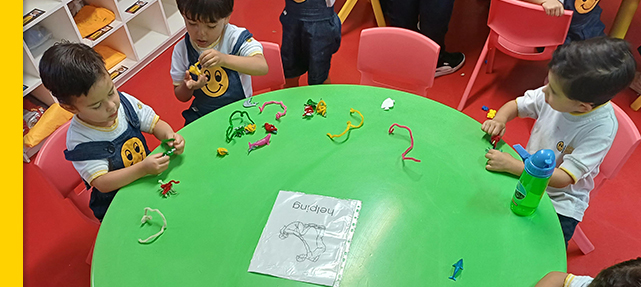
In our Literacy class, we read the book “Hands Are Not for Hitting” which is a gentle yet powerful book designed to help young children understand the importance of using their hands in positive and respectful ways. The book employs simple language and vibrant illustrations to convey a crucial message: our hands are tools for helping, creating, and showing love.
Throughout the story, children learn about the various things hands can do, such as waving hello, drawing pictures, building, and giving hugs. By focusing on what’s appropriate and kind, the book guides young readers toward empathy, emotional regulation, and conflict resolution. It’s a meaningful read that helps children grow into thoughtful, caring individuals—one peaceful action at a time.
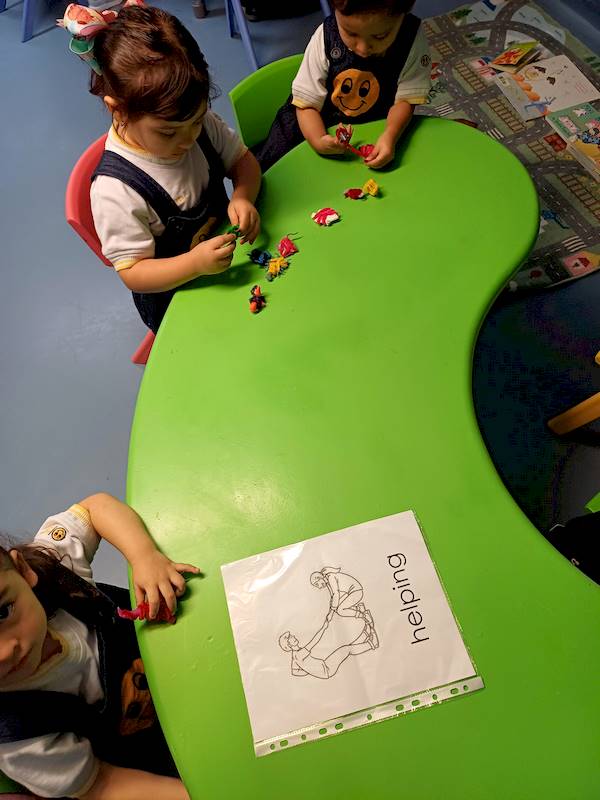
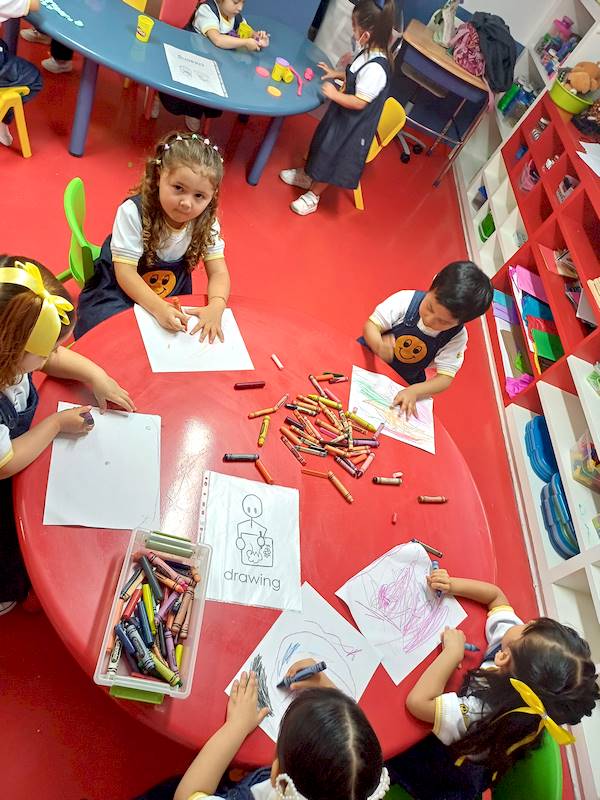
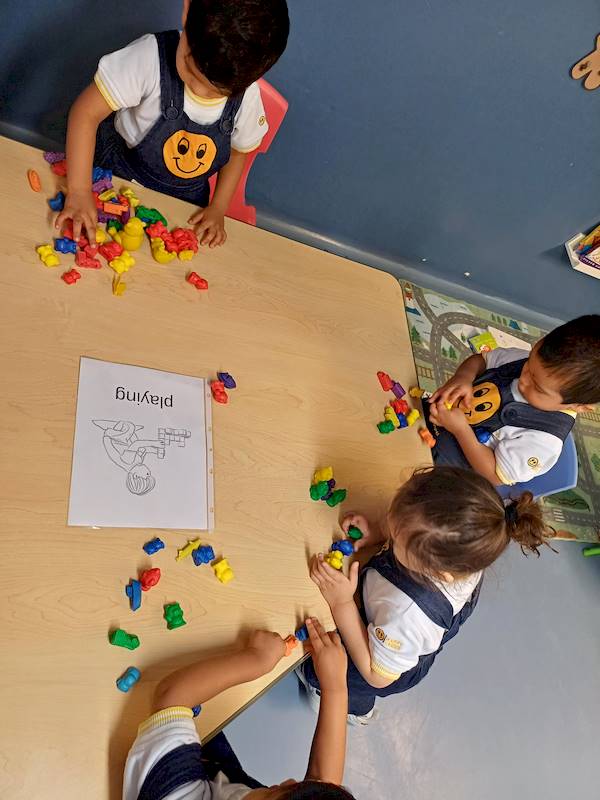
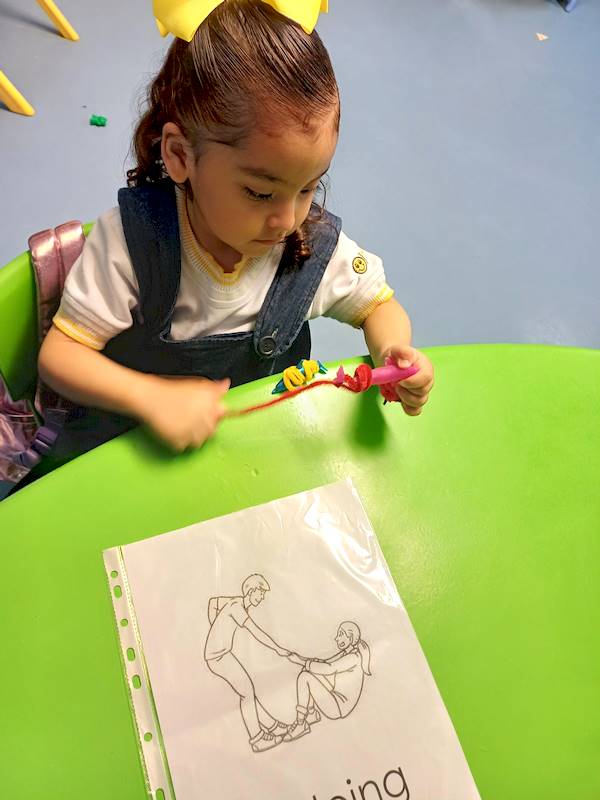
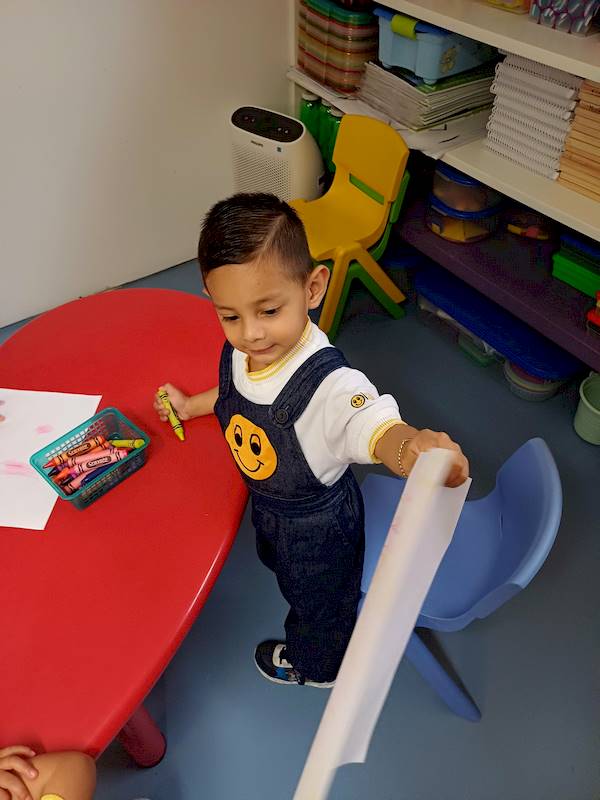
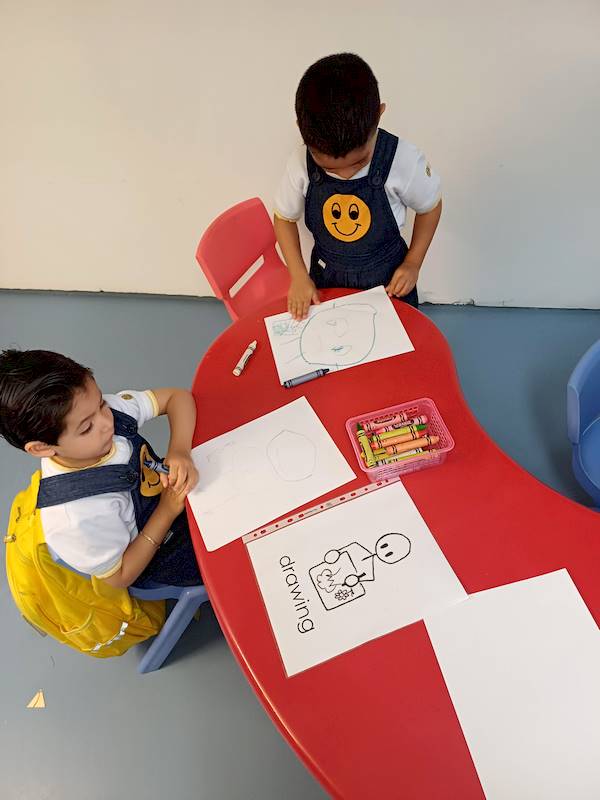
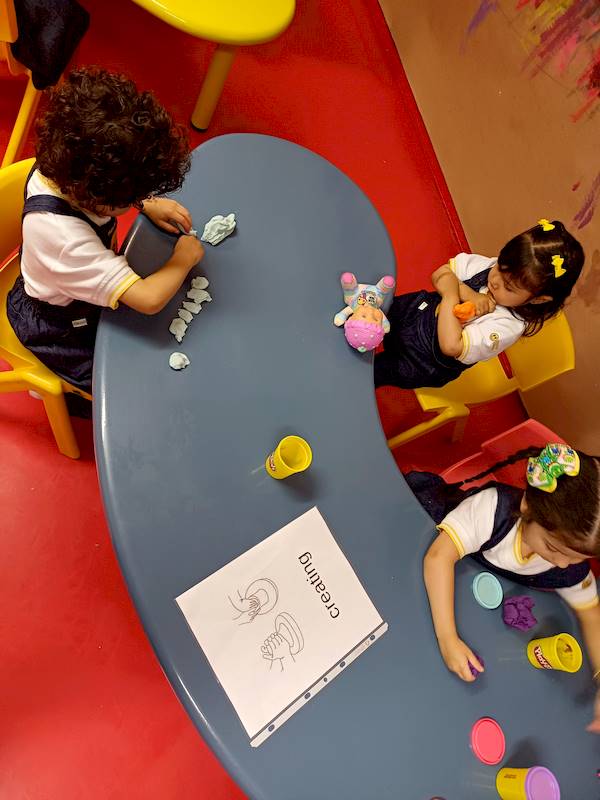
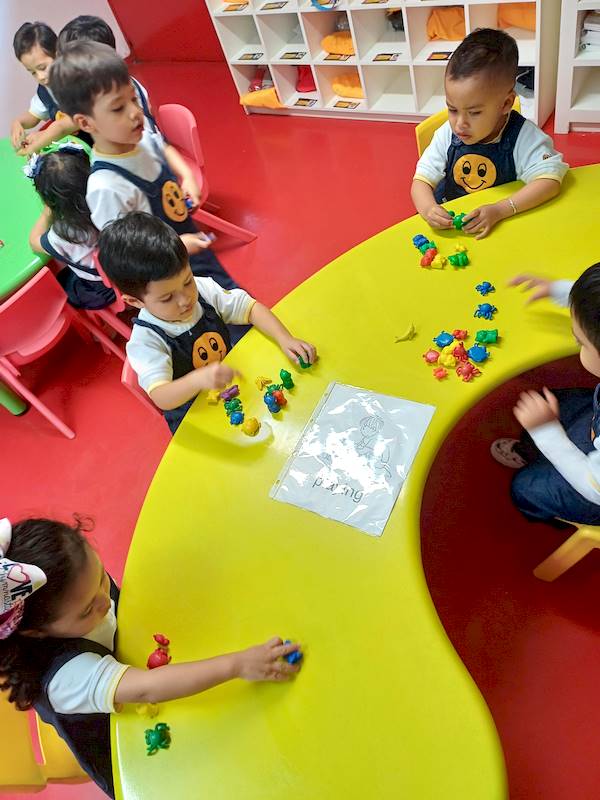
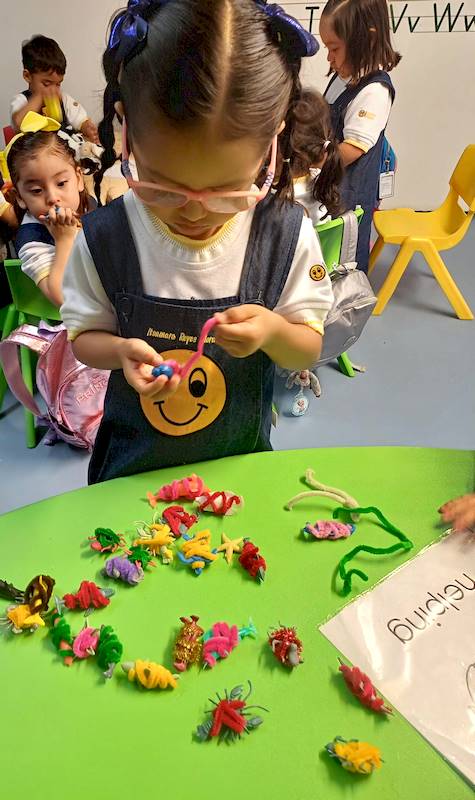
Kids worked in different stations; each station depicted one of the purposes of our hands: hands are for drawing, hands are for helping, hands are for playing, and hands are for creating. Working in stations encourages independence, decision-making, and collaboration with peers. We also watched a video about good and bad actions, where kids had to give a thumbs-up if the image portrayed a correct action and a thumbs-down if it portrayed an action that was not kind.
By teaching children the positive uses of their hands—like giving high-fives, picking up toys, feeding themselves, or comforting a friend—we encourage empathy, self-control, and respect for others. These lessons not only support healthy relationships but also create a safe and caring environment at home and in the school.






”Las manos no son para pegar”: Enseñando la bondad a través de los libros
En nuestra clase de Literacy, leímos el libro ”Las manos no son para pegar”, un libro conmovedor, diseñado para ayudar a los niños pequeños a comprender la importancia de usar las manos de forma positiva y respetuosa. El libro utiliza un lenguaje sencillo e ilustraciones vibrantes para transmitir un mensaje crucial: nuestras manos son herramientas para ayudar, crear y demostrar amor.
A lo largo del cuento, los niños aprenden sobre las diversas funciones de las manos, como saludar con la mano, dibujar, construir y dar abrazos. Al centrarse en lo apropiado y amable, el libro guía a niños hacia la empatía, la regulación emocional y la resolución de conflictos. Es una lectura significativa que ayuda a los niños a convertirse en personas reflexivas y afectuosas.
Los pequeños trabajaron en diferentes estaciones; cada estación representaba uno de los usos de las manos: dibujar, ayudar, jugar y crear. Trabajar en estaciones fomenta la independencia, la toma de decisiones y la colaboración con los compañeros.
También vimos un vídeo sobre acciones buenas y malas, donde los niños tenían que dar un pulgar hacia arriba si la imagen mostraba una acción correcta y un pulgar hacia abajo si mostraba una acción no amable.
Al enseñar a los niños los usos positivos de sus manos, fomentamos la empatía, el autocontrol y el respeto por los demás. Estas lecciones no solo fomentan relaciones saludables, sino que también crean un entorno seguro y afectuoso en casa y en la escuela.
Carlie García
K1 Literacy Teacher