
In preschool, children begin to develop fundamental skills for understanding and expressing their emotions. Recognizing their feelings allows them to build a solid foundation for their emotional, social, and cognitive well-being. When little ones learn to identify emotions such as joy, sadness, anger, or fear, they not only improve their communication but also their ability to resolve conflicts, work together, and strengthen their self-esteem.
In addition, an environment where emotions are validated and accompanied promotes learning and affective security. Therefore, teachers and families must promote emotional education from the earliest years, offering a space where each child feels heard, understood, and valued.
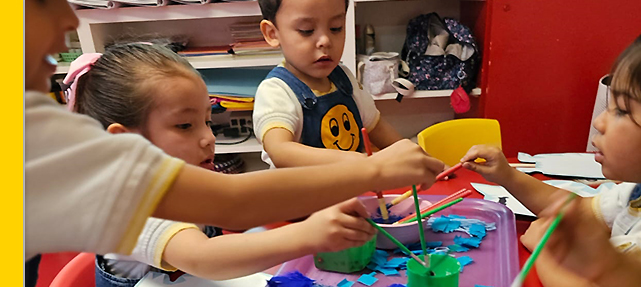
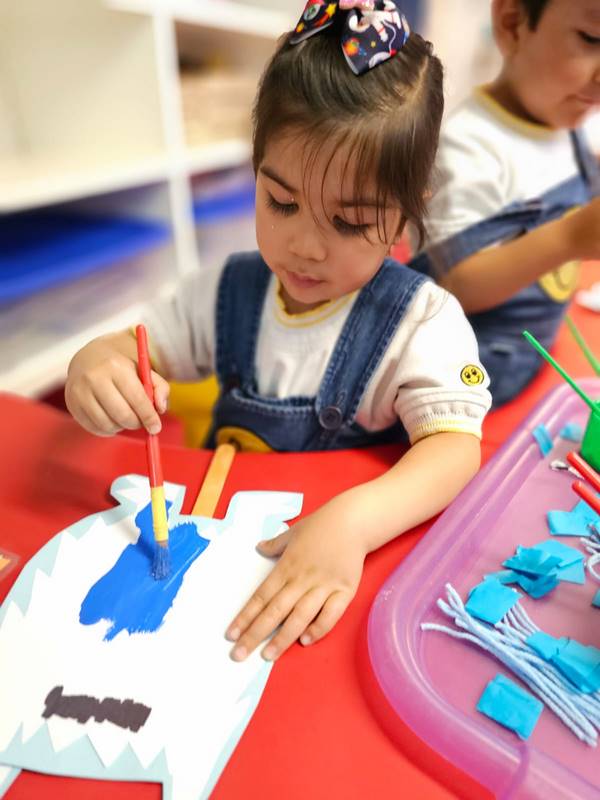
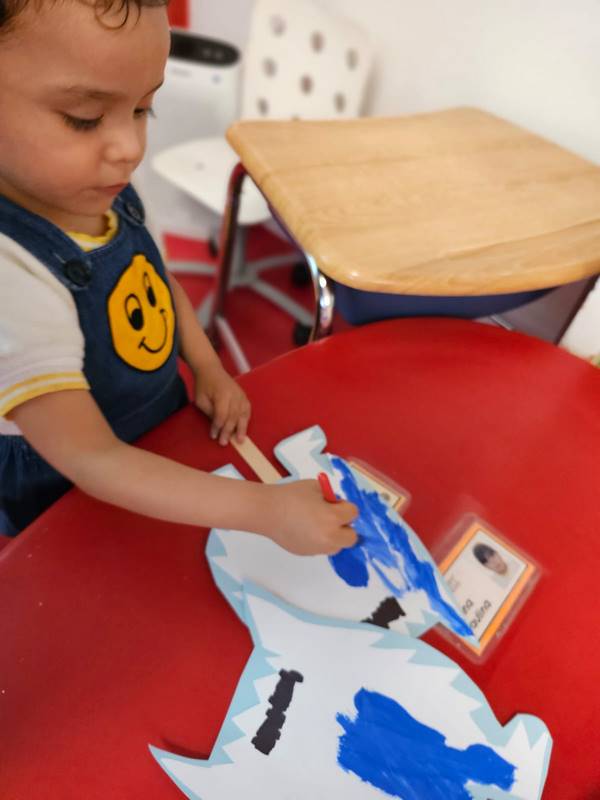
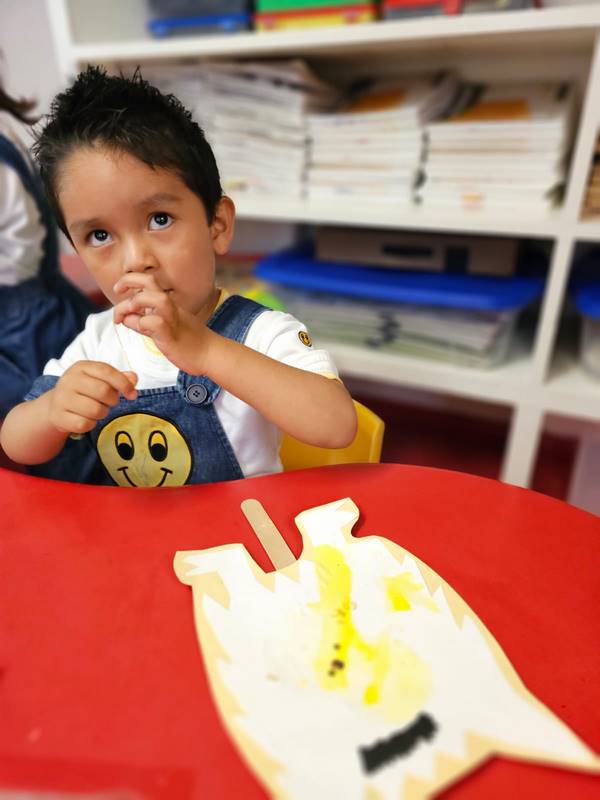
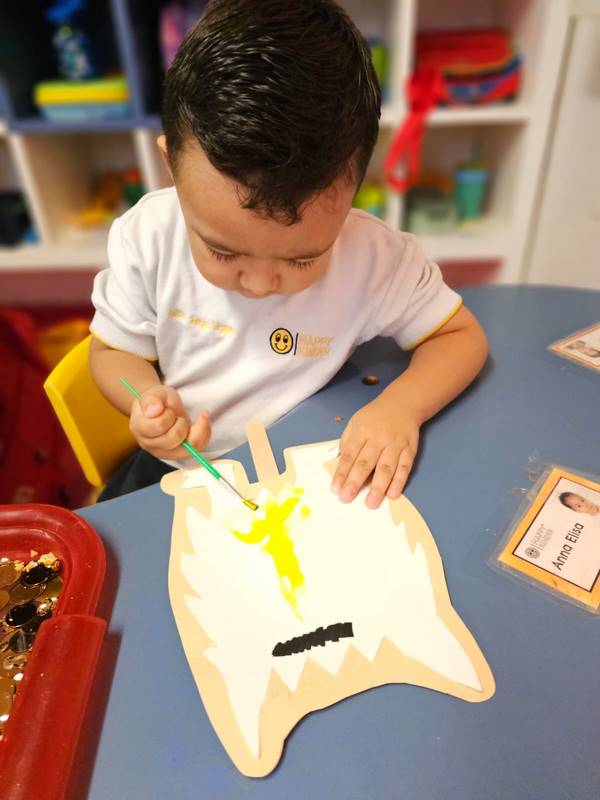
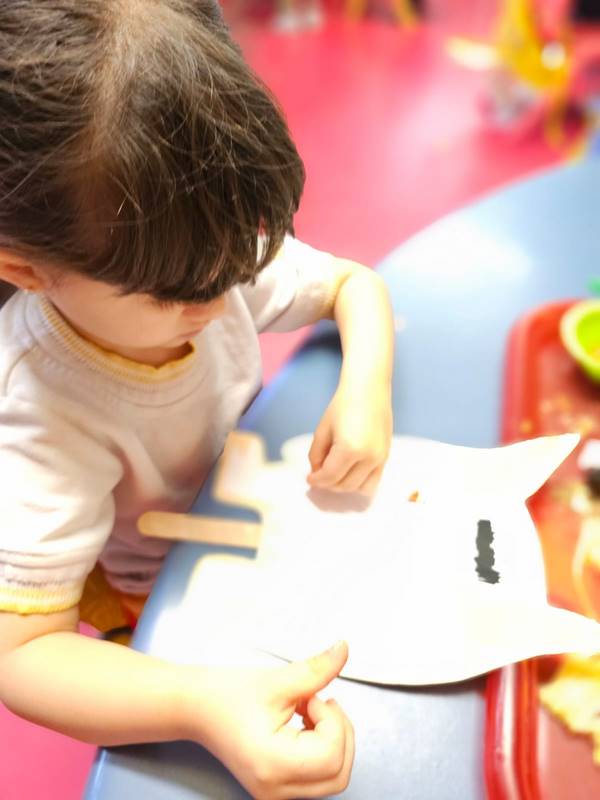
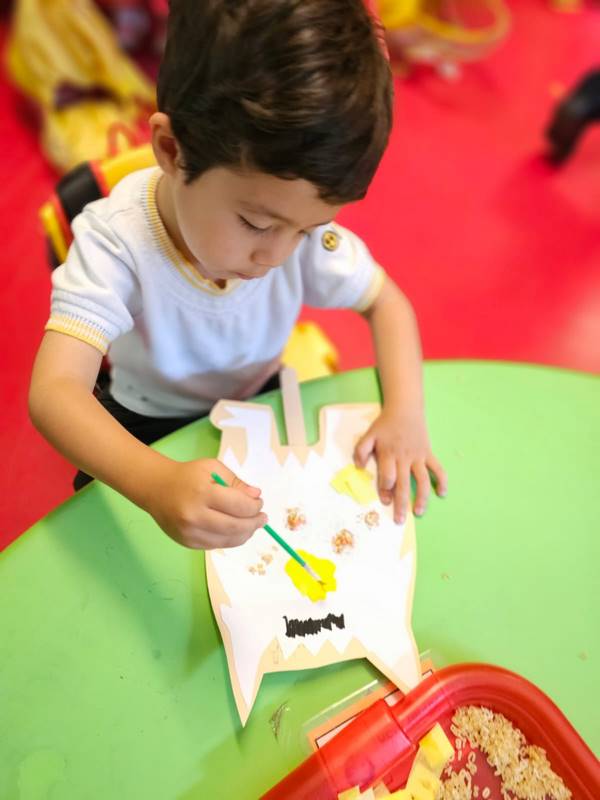
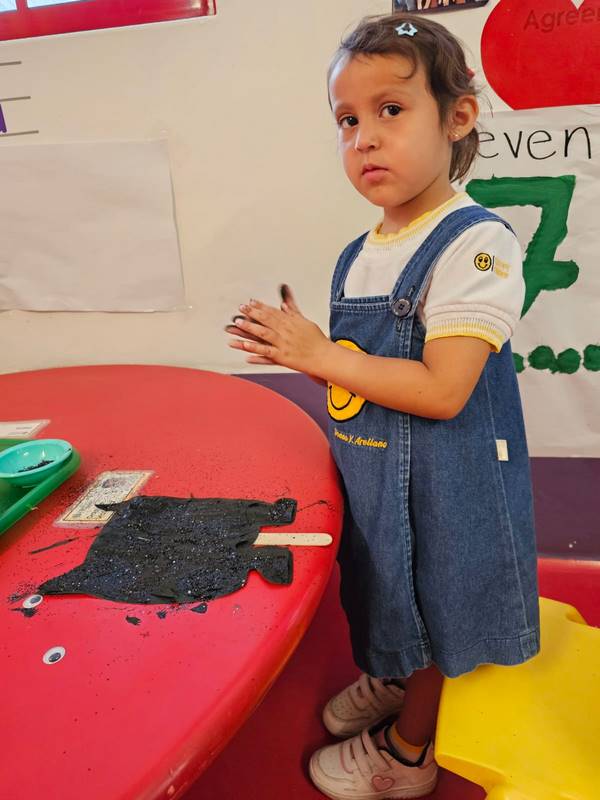
That is why, on this occasion, the students performed their puppets of every emotion as they imagined it. As our first activity, we observed the tale of the monster of emotions, and the students identified each emotion with a corresponding color. Later, each student realized that their puppet represented the emotions of happiness, sadness, anger, and fear. To conclude our activity, the students used their puppets every day to pass a list and explain how they felt, allowing them to recognize each emotion and explain why they identified with it.












Pequeños corazones, grandes emociones: Entendiendo el mundo emocional infantil
En la etapa preescolar, los niños comienzan a desarrollar habilidades fundamentales para comprender y expresar sus emociones. Reconocer lo que sienten les permite construir una base sólida para su bienestar emocional, social y cognitivo. Cuando los pequeños aprenden a identificar emociones como la alegría, la tristeza, el enojo o el miedo, no solo mejoran su comunicación, sino también su capacidad para resolver conflictos, trabajar en equipo y fortalecer su autoestima.
Además, un entorno donde se validan y acompañan las emociones, favorece el aprendizaje y la seguridad afectiva. Por eso, es esencial que docentes y familias promuevan la educación emocional desde los primeros años, ofreciendo un espacio donde cada niño se sienta escuchado, comprendido y valorado.
Es por eso, que en esta ocasión los alumnos realizaron sus títeres de cada emoción como ellos los imaginaban. Como primera actividad, leímos el cuento de «El monstruo de las emociones» y los alumnos identificaron cada emoción con un color. Posteriormente, cada alumno realizó su títere de las emociones. Para finalizar nuestra actividad, los alumnos día con día iban usando su títere para explicar cómo se sentían, con la finalidad de que los alumnos reconocieran cada emoción y explicaran la razón del porqué se identificaban con la misma.
«Feeling is good, understanding what you feel is better.»
-Anónimo
«Sentir está bien, entender lo que sientes es mejor.»
Frida Yescas
K1B English Teacher