
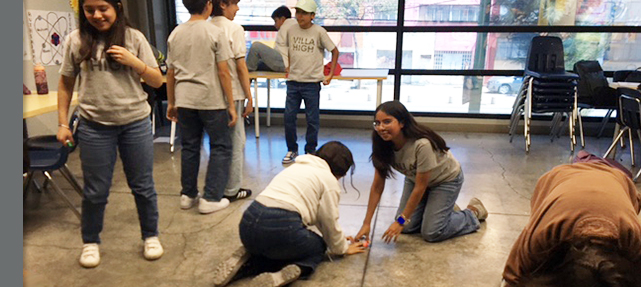
This week, first-year secondary school students learned about ecological relationships, that is, the interactions that occur between species within an ecosystem. They learned different types of interactions, such as cooperation (for example, ants working together to transport food), mutualism (such as bees pollinating flowers), commensalism (such as barnacles traveling on the skin of whales), parasitism (such as fleas on dogs), predation (such as snakes hunting kangaroo rats), and other types of interactions.
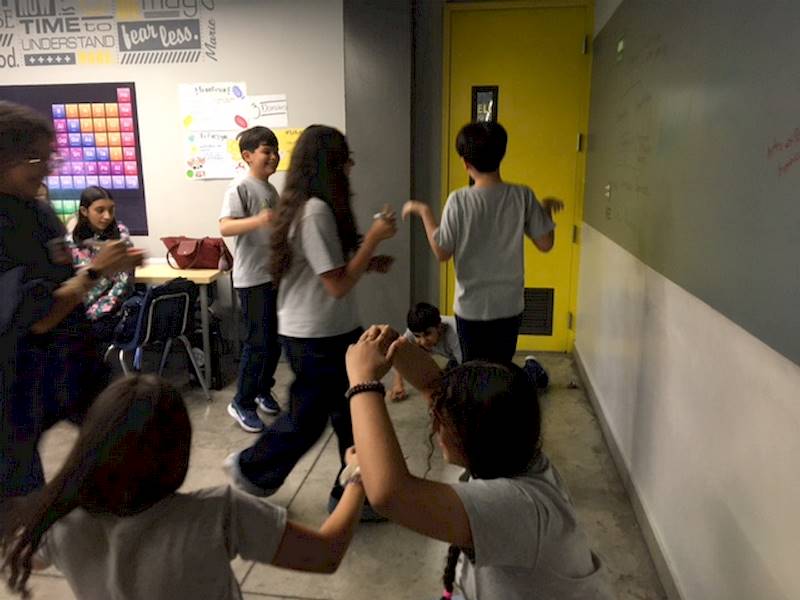
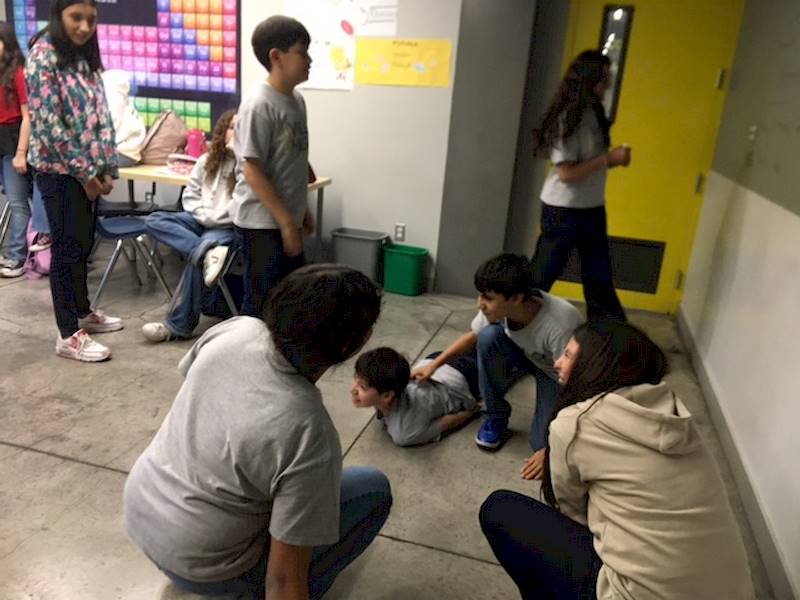
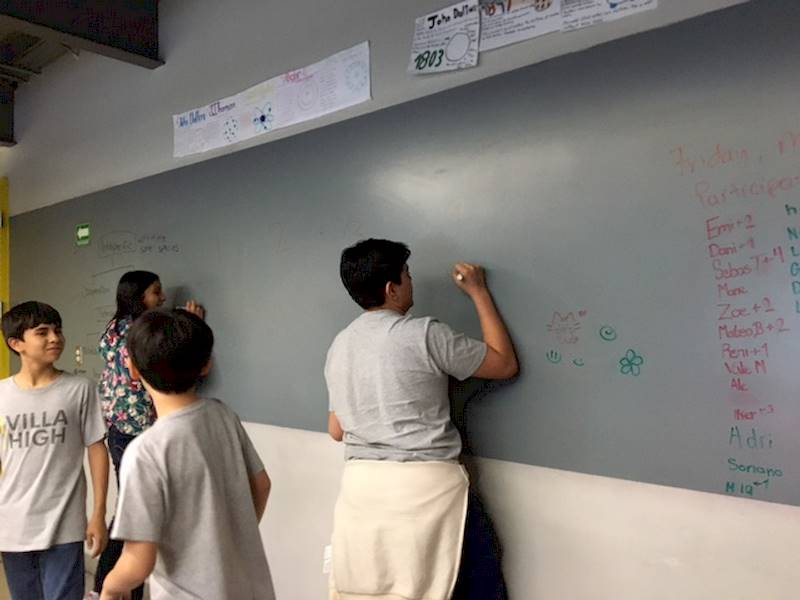
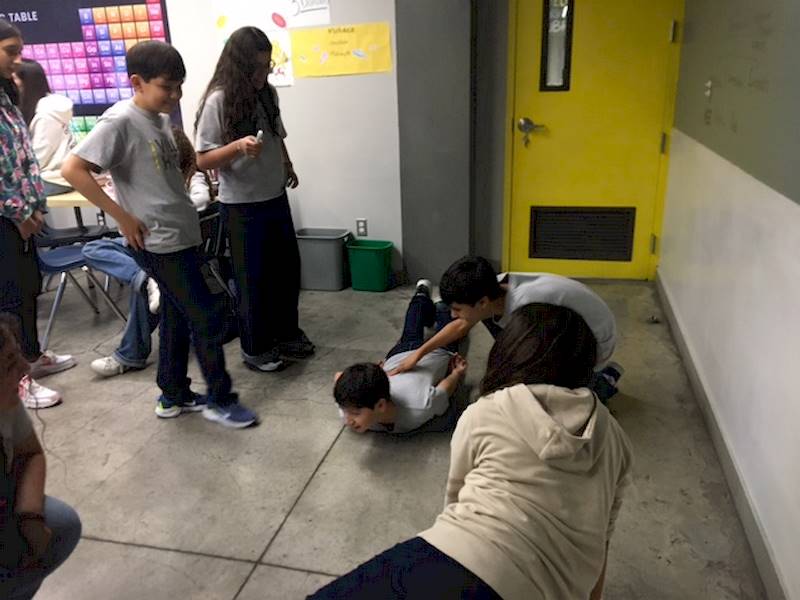
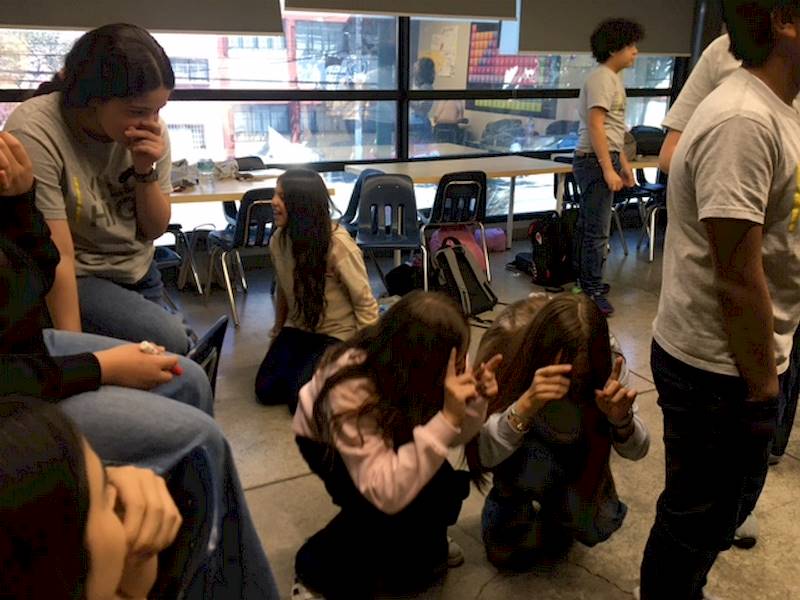
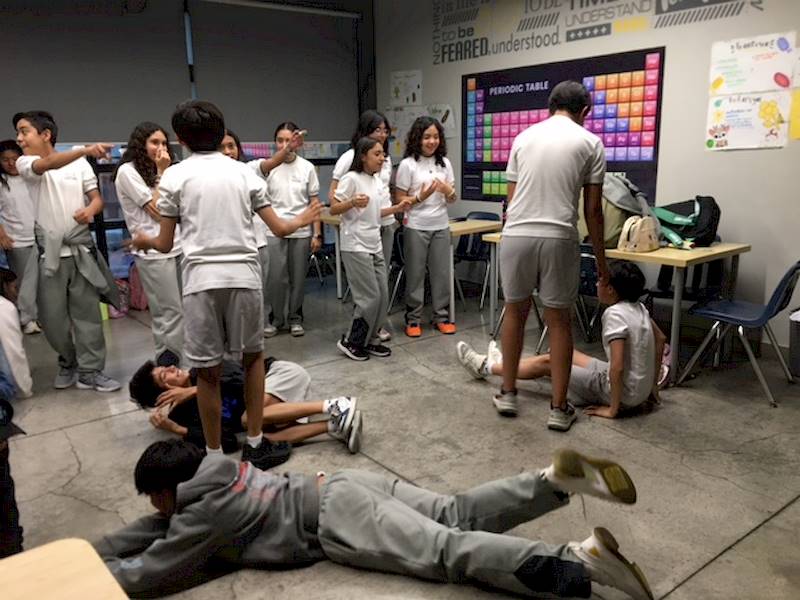
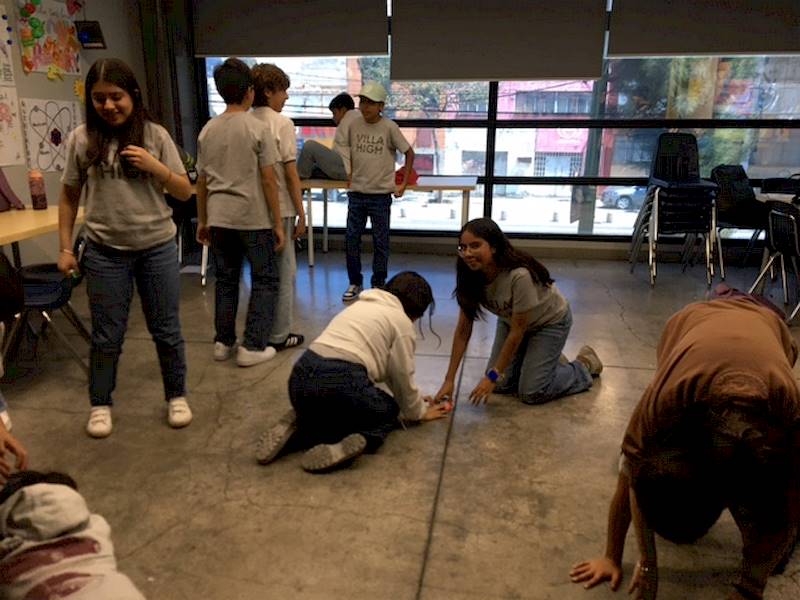
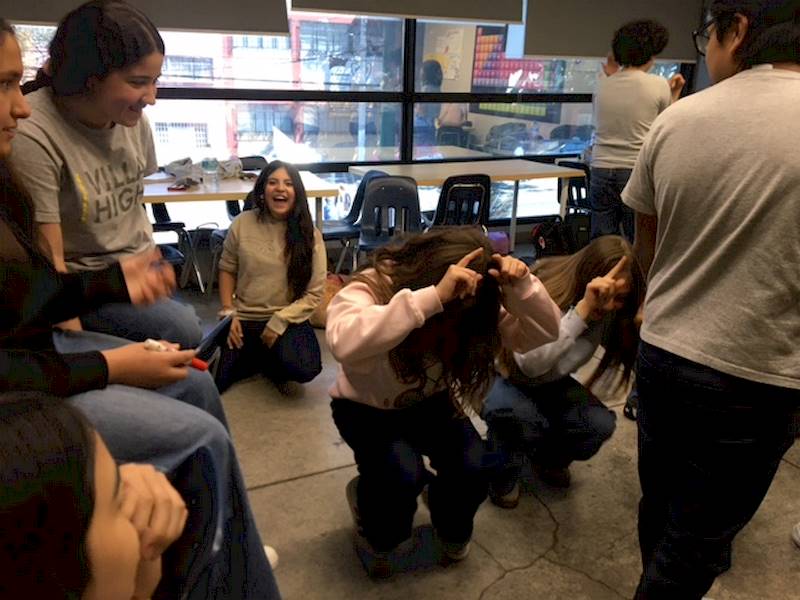
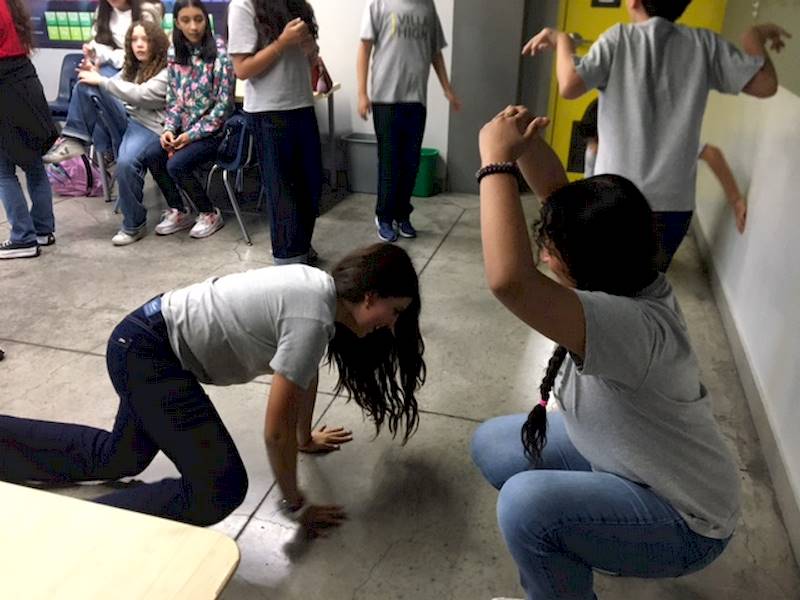
To make the class more dynamic and reinforce what they had learned, the students participated in a charades game. They were divided into teams, and two members from each team acted out a randomly assigned type of interaction. The rest of the team, as spectators, had to guess the interaction and be the first to write the correct answer on the board.
It was very fun to watch students imitate fleas on a dog’s back, snakes chasing kangaroo rats, or ants cooperating to transport food. Through laughter and learning, the students showed great interest and enthusiasm for the activity.
Ecología en escena: Aprendiendo a través del juego
Esta semana, estudiantes de primer grado de secundaria aprendieron sobre las relaciones ecológicas, es decir, las interacciones que ocurren entre especies dentro de un ecosistema. Aprendieron distintos tipos de interacciones, como la cooperación (por ejemplo, las hormigas trabajando juntas para transportar alimento), el mutualismo (como las abejas polinizando flores), el comensalismo (como los percebes que viajan sobre la piel de las ballenas), el parasitismo (como las pulgas en los perros), la depredación (como las serpientes cazando ratas canguro) y otros tipos de interacciones.
Para hacer la clase más dinámica y reforzar lo aprendido, los estudiantes participaron en un juego de mímica. Se dividieron en equipos, y dos integrantes de cada equipo representaron un tipo de interacción asignado al azar. El resto del equipo, como espectadores, debía adivinar la interacción y ser el primero en escribir la respuesta correcta en el pizarrón.
Fue muy divertido observar a los estudiantes imitar pulgas en el lomo de un perro, serpientes persiguiendo ratas canguro u hormigas cooperando para transportar alimento. Entre risas y aprendizaje, los estudiantes mostraron gran interés y entusiasmo por la actividad.
Mariana Figueroa
Biology