
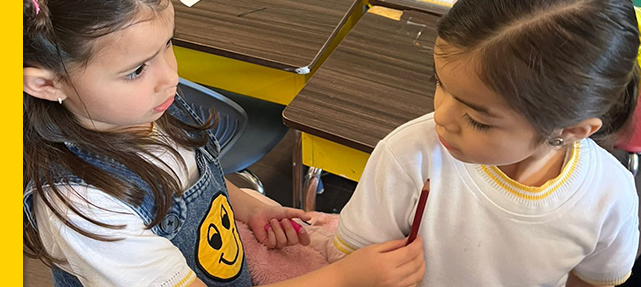
Developing autonomy in early childhood is one of the most valuable gifts we can offer our children. During the preschool years, children begin to build the foundations of independence, responsibility, and self-confidence. When we intentionally create opportunities for them to make decisions, solve problems, and take care of their belongings, we are helping them grow into capable and confident learners.
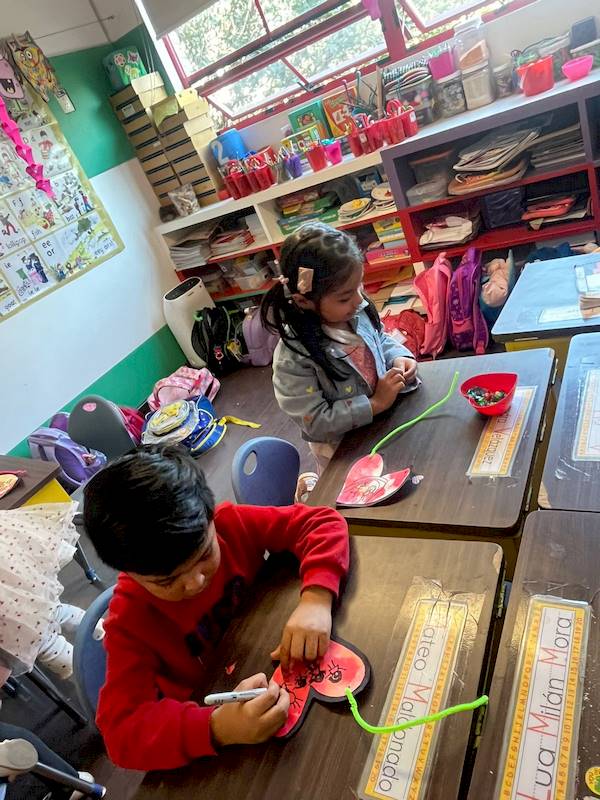
In K3B, we have been intentionally promoting autonomy through meaningful daily activities. Our students are encouraged to create their own projects, think of ideas, and express themselves freely. They are also responsible for finding the materials they need, using them appropriately, and returning them to their proper place once they finish. These small but significant actions help children understand responsibility, organization, and respect for shared spaces.
By allowing children to take ownership of their learning environment, we strengthen their sense of competence. When a child gathers their own materials or tidies up independently, they feel proud of their achievements. This sense of accomplishment builds intrinsic motivation and supports the development of executive functioning skills such as planning and self-regulation.
How Can Parents Support Autonomy at Home?
Parents play a crucial role in reinforcing these skills. Here are some practical suggestions:
- Allow your child to make simple choices (e.g., choosing their clothes or selecting a snack).
- Encourage them to clean up their toys and personal items after use.
- Assign small responsibilities at home, such as setting the table or organizing their backpack.
- Teach them to take care of their belongings by modeling respect for personal and shared items.
- Be patient and allow extra time for them to complete tasks independently, even if it takes longer.
Fostering autonomy is a gradual process that requires trust, consistency, and encouragement. When school and home work together to promote independence and responsibility, children develop lifelong skills that will benefit them academically, socially, and emotionally.
Together, we can empower our preschoolers to become confident, responsible, and independent individuals.




Pequeños pasos, gran confianza en sí mismos
Desarrollar la autonomía en la primera infancia es uno de los regalos más valiosos que podemos ofrecer a nuestros niños. Durante los años de preescolar, los pequeños comienzan a construir las bases de la independencia, la responsabilidad y la confianza en sí mismos. Cuando creamos intencionalmente oportunidades para que tomen decisiones, resuelvan problemas y cuiden de sus pertenencias, estamos ayudándolos a crecer como aprendices capaces y seguros.
En K3B, hemos promovido intencionalmente la autonomía a través de actividades significativas en el día a día. Nuestros alumnos son alentados a crear sus propios proyectos, proponer ideas y expresarse libremente. También son responsables de buscar los materiales que necesitan, utilizarlos adecuadamente y guardarlos en su lugar al terminar. Estas pequeñas pero importantes acciones les permiten comprender la responsabilidad, el orden y el respeto por los espacios compartidos.
Al permitir que los niños asuman un rol activo en su entorno de aprendizaje, fortalecemos su sentido de competencia. Cuando un niño reúne sus propios materiales o recoge de manera independiente, experimenta orgullo por sus logros. Esta sensación de logro fortalece su motivación interna y favorece el desarrollo de habilidades como la planificación y la autorregulación.
¿Cómo pueden los padres apoyar la autonomía en casa?
Las familias juegan un papel fundamental en el fortalecimiento de estas habilidades. Aquí algunas sugerencias prácticas:
- Permitir que su hijo(a) tome decisiones sencillas (por ejemplo, elegir su ropa o escoger una merienda).
- Fomentar que recoja sus juguetes y objetos personales después de usarlos.
- Asignar pequeñas responsabilidades en casa, como poner la mesa u organizar su mochila.
- Enseñar el cuidado de sus pertenencias modelando el respeto por los objetos propios y compartidos.
- Ser pacientes y brindarles el tiempo necesario para que realicen tareas de manera independiente, aunque tarden un poco más.
Fomentar la autonomía es un proceso gradual que requiere confianza, constancia y acompañamiento. Cuando escuela y familia trabajan juntas para promover la independencia y la responsabilidad, los niños desarrollan habilidades que les beneficiarán a lo largo de su vida académica, social y emocional.
Juntos podemos formar niños seguros, responsables e independientes.
Vale Flores
K3B English Teacher